
Balance

Work-life balance is a term that we often hear, although its meaning has evolved. For some, it might mean leaving the office a bit early one day to handle a personal matter, striving for that elusive sense of equilibrium. Yet, in today’s world, work has a way of seeping into every corner of our lives. Unless we fully unplug, the lines between work and personal life blur into one.
How much time and energy are we truly dedicating to the commitments we take on? And how do we navigate the delicate balancing act between our work, our time, our colleagues, and our loved ones?
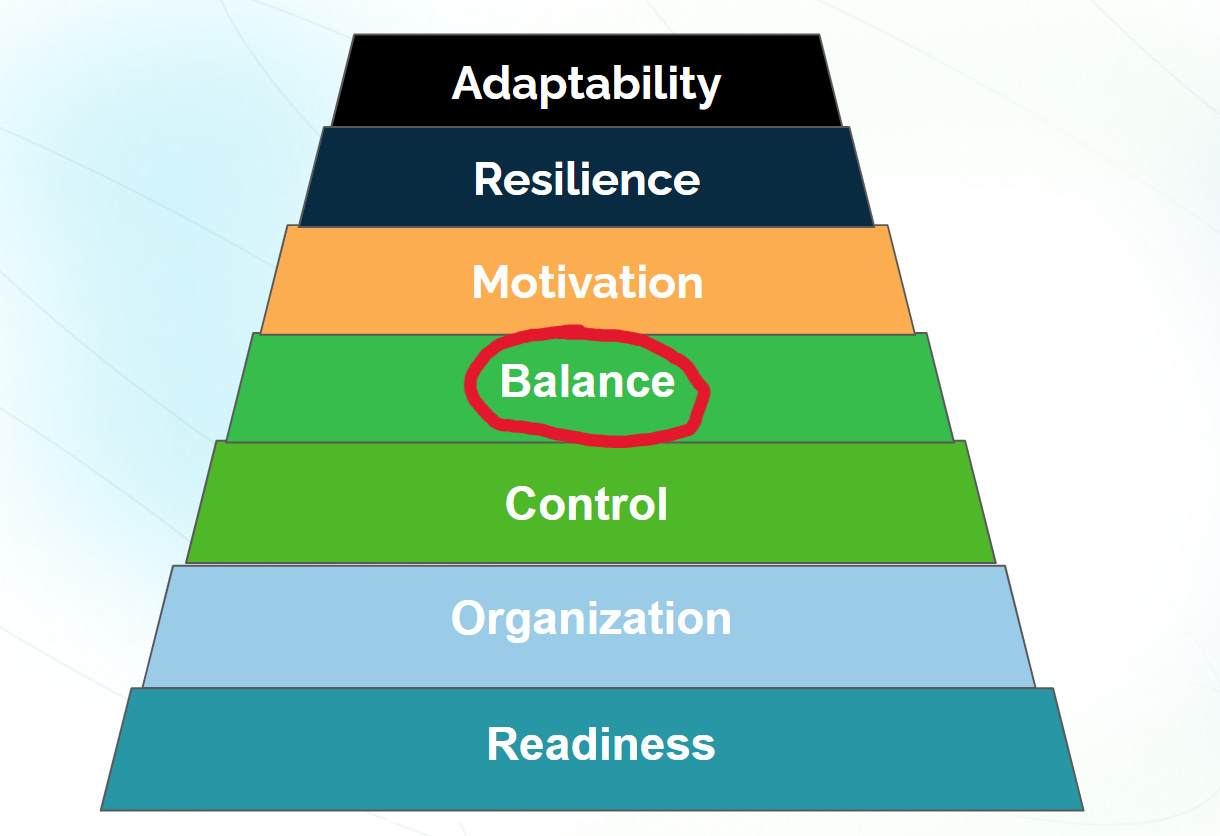
A great starting point is building a routine. For those of us navigating hybrid schedules, it's essential to establish clear transitions: what sets the tone before work begins, how we wind down after work ends, and, most importantly, how we prepare for restful sleep.
Bedtime Routine
Surprisingly, your bedtime routine plays a pivotal role in setting the tone for the next workday. It influences whether you wake up naturally or rely on an alarm, your sleep quality, and how quickly you drift off. Here are a few tips to optimize your wind-down process:
Unplug Two Hours Before Bed - While it may seem challenging to set aside phones and laptops before bed, the benefits are undeniable. Reducing screen time limits blue light exposure, which can disrupt sleep, and helps your mind wind down, avoiding overstimulation before rest.
Cool Your Body Down - It might sound counterintuitive, but cooling your body actually signals it’s time to sleep. Taking a warm shower or bath before bed warms you up temporarily, and as your body cools afterward, it naturally transitions into sleep mode.
Stay Consistent - Sticking to a regular bedtime is key to waking up refreshed. Even on weekends, try to keep your bedtime within a small window of your weekday routine. This consistency makes Monday mornings—and every morning—easier to tackle.
Morning Routine
Your morning routine sets the tone for a productive and energized day. Here are a few steps to start your mornings off right:
Wake Up at the Same Time - Consistency is key. Waking up at the same time every day—even on weekends—helps regulate your body’s circadian rhythm. Once this routine is established, you’ll start to notice when your body naturally wakes up, making it possible to ditch the alarm clock altogether.
Create a “Commute”- For those of us with hybrid schedules, transitioning from bed to desk isn’t ideal. Your body needs a mental and physical context shift to signal the start of the workday. Take time to freshen up, get dressed, make coffee, or do some light stretching—anything that sets you up for success and distinguishes “home” from “work.”
Take a Walk - Even a short morning walk can have a big impact. A brisk 10- to 30-minute stroll not only boosts energy but also reinforces your circadian rhythm, telling your body it’s time to start the day. Whether it’s around the block or to grab a coffee, this small habit can make a big difference.
After-Work Routine
Your after-work routine is just as important as your morning rituals, helping you transition out of work mode and into the rest of your day. Here are a few strategies to make the most of this time:
Shut Down Your Workstation At the end of the day, physically closing down your workspace can help reinforce the boundary between work and personal life—especially when working from home. For example, I like to raise my desk and move my chair to the kitchen table. It’s a small act, but it signals that the workday is officially over and prevents me from casually continuing work.
Declutter - Tidying up your workspace—or even your home office—can set the tone for a fresh start the next day. A clean space helps create a clean slate mentally, making it easier to dive back into work the following morning.
Take Another Walk - A short walk after work might sound simple, but it’s a great way to shift gears. It helps you clear your head and mark the transition into your evening. If you typically go to the gym or run errands at this time, those activities can serve the same purpose of separating work from personal life.
Routines are the foundation of Balance, helping us manage the relationship between work and the other important aspects of our lives. In the coming weeks, we’ll explore more ways to cultivate balance, but starting with a focus on routines can set the stage for our next topic - Motivation!
Coming Up at BillionMinds
Stay tuned for an announcement about our Black Friday Sale for our Thrive With AI Program!
About Me
Hello! I'm Gigi, the Head of Growth at BillionMinds. If you enjoyed this article, I'd love to hear from you! Even if you didn't, I'm still up for a chat. Feel free to message me or comment below, and follow me for more similar content.
Moreover, if you'd like to learn about our mission at BillionMinds, please don't hesitate to get in touch. I'd be thrilled to connect with you and provide additional information. 🤠